
FRIDAY - Digital Insurance
Improving the usage and completion rates of a claim submission application

Context
Between 2024 and 2025, claim process automation became a key strategic objective for FRIDAY Insurance. My product team was responsible for claim submission and management for all products and countries.
My objective was to redesign the claim submission flow to address user needs and increase conversion and adoption, in order to reduce costs ca. 250 Euros per claim or >1 Million Euros per year.
Role
Product Strategy, UI/UX Design
Year
2024-2025
Platform
Web
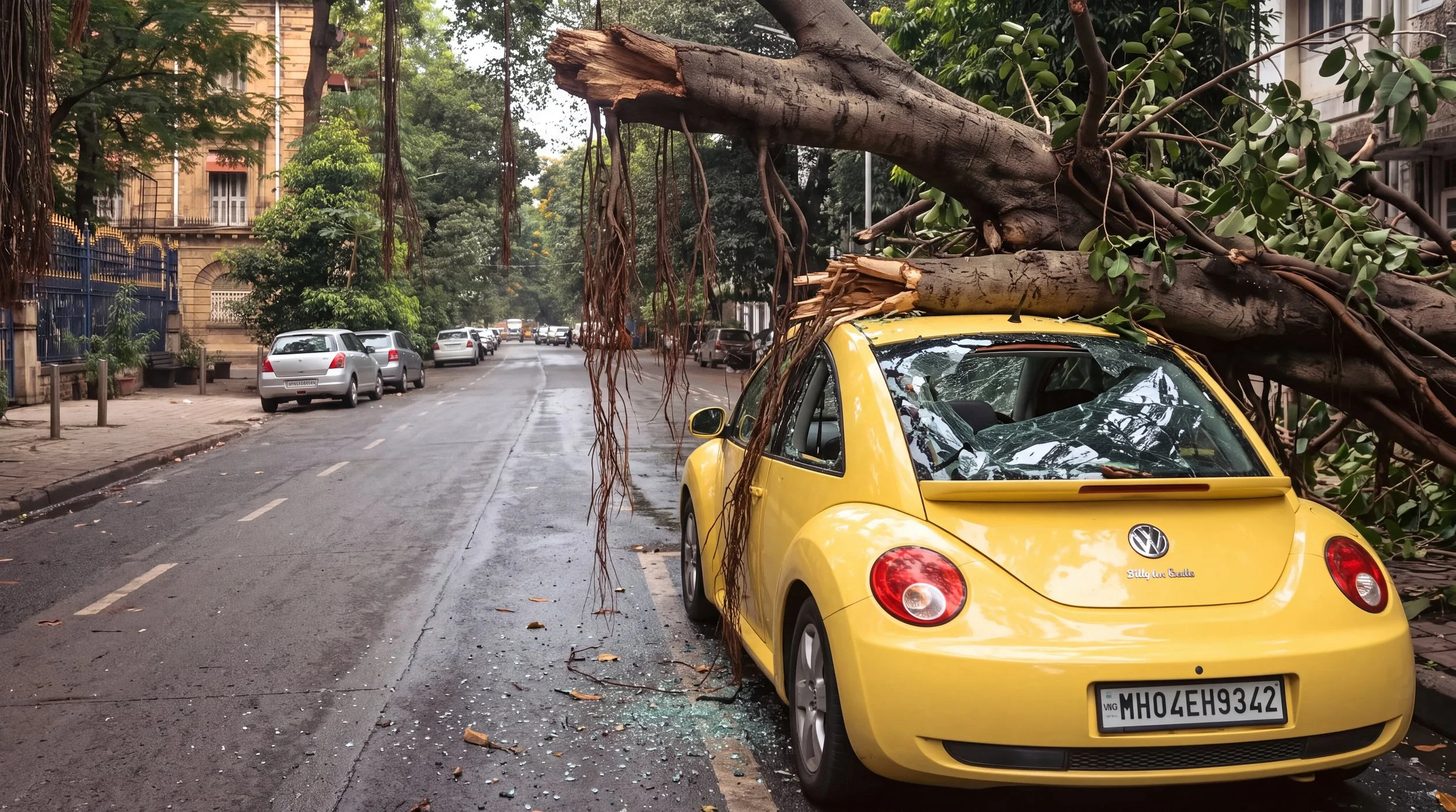
Shit happened: You need your insurance to work, right now.
The Problem
Hidden and complicated submission funnel, unclear instructions and no transparency after submission… We weren’t doing our best to receive and process the claims from customers, leaving them to long waiting lines and e-mails left without a response.
Our drop-out rate was off the roof, increasing offline and incomplete submissions reduced our chances for service automation, extending the resolution process and adding to customersupport effort.
Status before improvements
67%
Funnel Drop Out Rate
15%
Claim Automation Rate
12
Avg. contacts per claim
Post Release
25%
Funnel Drop Out Rate
48%
Claim Automation Rate
8
Avg. contacts per claim
Why don’t our customers submit their claims online?
The Step 1: Discovery
Customer interviews with and surveys showed the most common user types and their most important goals. The following prioritization workshop helped us create the implementation roadmap.
User Types
Controller
Takes initiative to act beyond instructions to resolve needs.
Follower
Does what is asked and nothing more.
Help Seeker
Instructions aren’t enough, needs constant validation to feel secure.
Goals in claim submission process
Take charge and proceed to next phase.
Do what they ask and secure legal compliance.
Seek help to do it right.
Solutions / Features
Repair garage search and booking
Simplified data entry and selectors
Virtual claim assistant
The Step 2: Prototype & Test
Crafting the vision
After committing and estimating the individual improvements, I designed and tested these with customers to get acceptance and confidence.

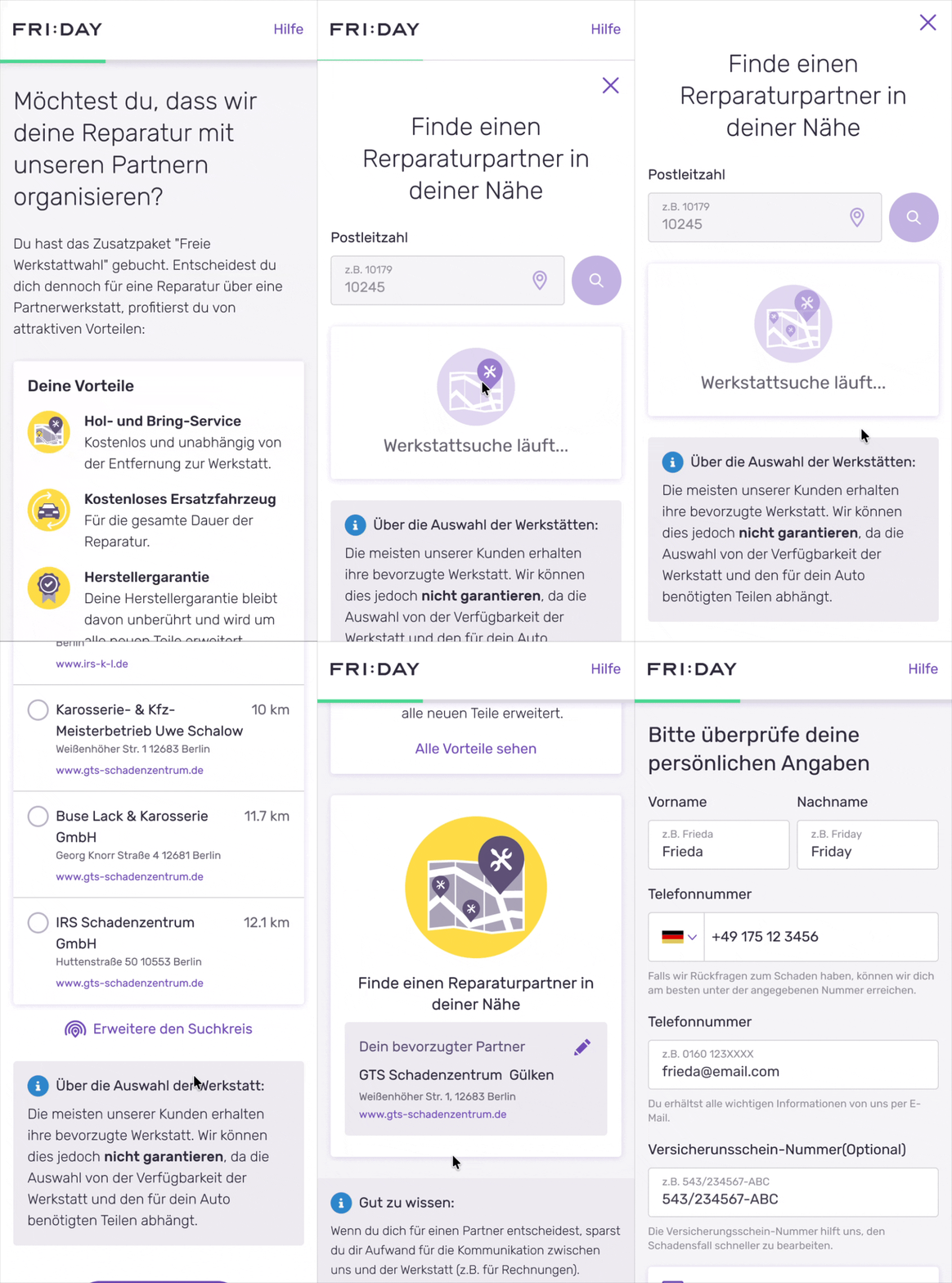
Repair garage search & booking
The immediate next step after reporting a claim is finding a repair garage. This feature helps user find partner garages in the insurance network, to bring their vehicle for repair.
Partners to the front
Solving this major blocker for the user on the one hand, on the other hand helping the business save upto half a million euros a year by nudging users to partner garages that cost significantly less to work with compared to external ones.

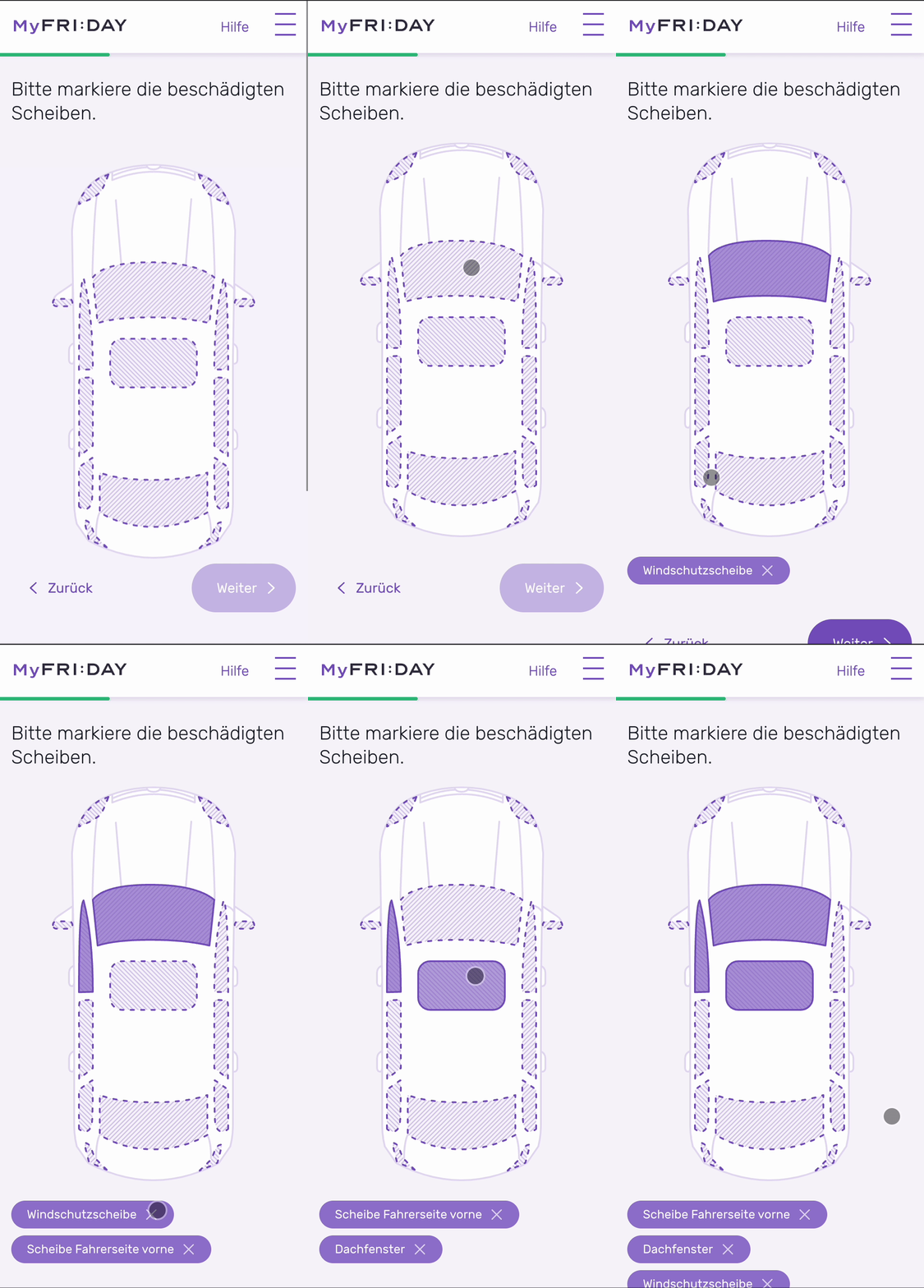
Visual window selector
Allowing users to to pick windows visually with a simple tap takes away the cognitive load and eliminates inconsistency or mistakes. Additional name tags help users to learn and refer in the future.
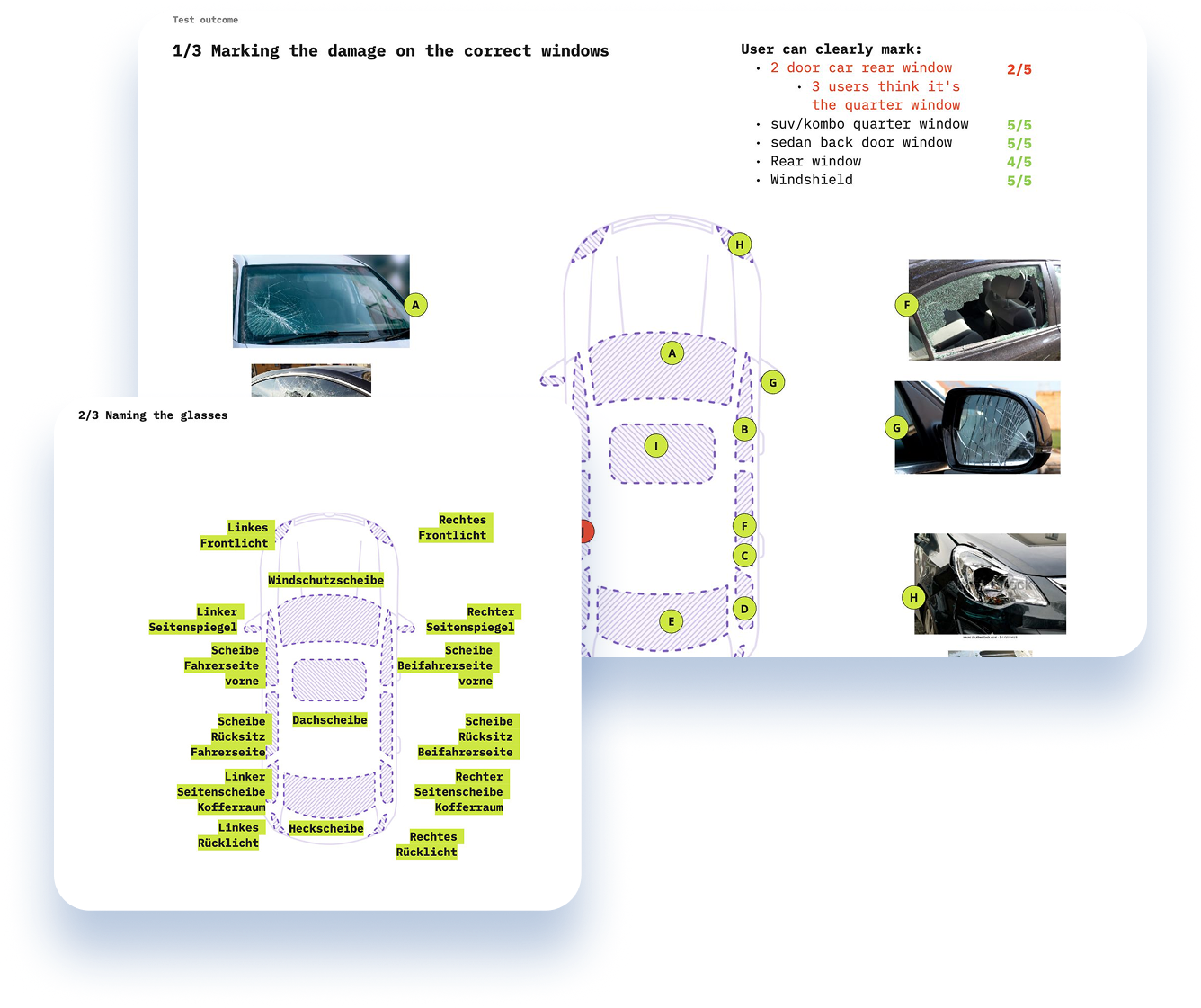
No rock left unturned to enable fast submission
It turns out, different users use different names for car windows. I conducted a test to identify the most common names for different window types on a car.
Outcome
Reflection
Going through this initiative, I learned:
The real struggles of customers in a claims situation, that some cases are just too complex and stressful to report online.
Matching ops team’s needs are as important as customers’
The vitality of having a shared system and patterns to speed up feature release.
Achievements
2/3 success KPI’s in this initiative were improved in ca. 6 months after release.
Average contacts were not dropped significantly due to the handling process after reporting a claim.
This didn’t only mean the initiative was a success, it also improved the bottom line of the claims operations significantly by saving in avg. 250 Euros per claim / >1 Million per year.
How did we convince claim customers?
Check out my case studies

Concept Development, AI design & prototyping

Product Strategy, UI/UX Design